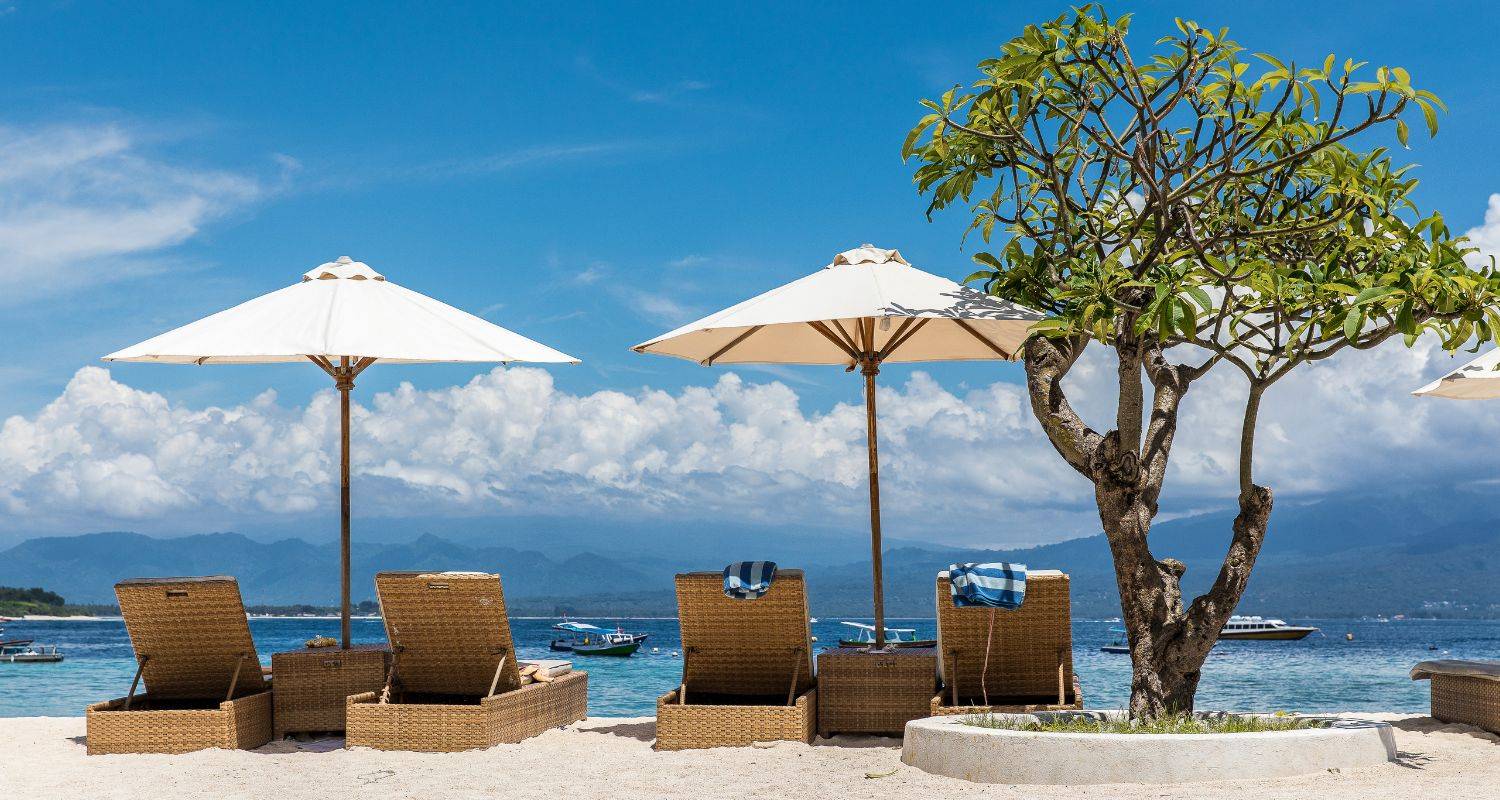
The Gili Islands—Gili Trawangan, Gili Meno, and Gili Air—are a tropical paradise known for their white sandy beaches, turquoise waters, and vibrant marine life. But when is the best time to visit these idyllic islands? The answer depends on what you’re looking for in your trip—whether it’s sunny beach days, thrilling dive adventures, or a more peaceful, laid-back island experience. This seasonal guide will help you decide the best time to visit the Gili Islands based on the weather, tourist flow, and activities.
- Dry Season (May to October)
The dry season is generally regarded as the best time to visit the Gili Islands, offering perfect weather conditions for beach activities, snorkeling, and diving.
Weather
- Temperature: During the dry season, temperatures range from 27°C to 32°C (81°F to 90°F), with plenty of sunshine and minimal rainfall.
- Humidity: The lower humidity during this time makes it more comfortable for outdoor activities.
- Sea Conditions: The sea is calm, with excellent visibility for snorkeling and diving.
Why Visit in the Dry Season?
- Optimal Conditions for Water Activities: If you’re planning to snorkel or dive, this is the best time of year. With calm seas and clear waters, you’ll have the opportunity to explore coral reefs and swim with sea turtles in perfect conditions.
- Perfect Beach Weather: You’ll enjoy sunny, dry days—ideal for lounging on the beach, kayaking, or paddleboarding.
- Festivals and Events: July and August bring more tourists, along with local festivals and events, particularly on Gili Trawangan, which is known for its lively atmosphere during these months.
Things to Keep in Mind
- Crowds: July and August are peak tourist months, especially on Gili Trawangan, which can become quite busy. If you’re looking for a quieter experience, consider visiting at the beginning or end of the dry season, such as in May, June, or September.
- Accommodation: Book your accommodation in advance during the peak season to avoid limited availability and higher prices.
- Wet Season (November to April)
The wet season in the Gili Islands lasts from November to April. While this period sees more rainfall, it’s not without its advantages for certain types of travelers.
Weather
- Temperature: The wet season is warmer and more humid, with temperatures ranging from 28°C to 33°C (82°F to 91°F).
- Rainfall: Rain showers are more frequent but often occur in short bursts rather than all-day downpours.
- Sea Conditions: The sea can become rougher, reducing visibility for diving and snorkeling.
Why Visit in the Wet Season?
- Fewer Tourists: The wet season brings fewer tourists, making it the perfect time to visit if you prefer a more peaceful, uncrowded experience. You’ll find the beaches less crowded, and it’s easier to book accommodations and tours at lower rates.
- Budget-Friendly: Since the wet season is considered the off-peak period, accommodation prices and flights are often much cheaper. You can score great deals on beachfront resorts and tours.
- Lush Scenery: The rain transforms the islands into a lush, green paradise, making it an excellent time for nature lovers who want to explore the inland beauty of the Gili Islands.
Things to Keep in Mind
- Weather Variability: The wet season brings more unpredictable weather, so you may experience occasional downpours or thunderstorms. However, the rain typically lasts for short periods and is followed by sunshine.
- Sea Conditions: While the water may not be as clear as during the dry season, you can still snorkel and dive, especially in the early months of the wet season, such as November and December.
- Shoulder Seasons (April to June, September to October)
The shoulder seasons, from April to June and September to October, are often considered the best of both worlds when it comes to visiting the Gili Islands. You can enjoy favorable weather conditions without the large crowds of peak season.
Weather
- Temperature: The weather during the shoulder seasons is still warm and sunny, with temperatures averaging between 27°C and 31°C (81°F to 88°F).
- Rainfall: There’s less rainfall compared to the wet season, but you may experience occasional showers.
- Sea Conditions: The sea remains calm, making it a good time for snorkeling, diving, and other water activities.
Why Visit in the Shoulder Seasons?
- Best Value for Money: Shoulder seasons offer great deals on accommodations and tours. You’ll enjoy off-peak prices while still experiencing pleasant weather.
- Fewer Crowds: With fewer tourists compared to the peak season, you’ll have more space to enjoy the beaches and other attractions at your own pace.
- Ideal for Water Sports: Whether you’re snorkeling, diving, or surfing, the shoulder seasons offer excellent conditions for water activities, with calm seas and clear visibility.
Things to Keep in Mind
- Mild Weather Variations: While the weather is generally pleasant, you may encounter short bursts of rain, particularly in April or October as the seasons transition.
- Perfect for Diving: The shoulder seasons offer great underwater visibility, especially in June and October, making it an ideal time for diving and marine life exploration.
- Festivals and Special Events
If you’re looking to combine your trip with local culture and events, timing your visit around Gili Islands festivals can enhance your experience.
- Gili Trawangan’s Full Moon Parties: Held once a month during the full moon, these parties are a major draw for visitors to Gili Trawangan. While it’s known for being a lively event, you can still enjoy a vibrant atmosphere without it being overly crowded outside of peak season.
- Nyepi Laut (Ocean Silence Day): Celebrated annually on Gili Islands, Nyepi Laut is a unique Balinese tradition that takes place around October. On this day, all boats and water activities come to a halt, allowing the ocean to rest. Visitors can experience a day of complete tranquility and reflection on the island.
The best time to visit the Gili Islands depends on your personal preferences and what kind of experience you’re after. For sunny beach days and excellent snorkeling or diving, the dry season from May to October is ideal. If you’re a budget-conscious traveler looking to avoid the crowds, the wet season offers peace and serenity, with the bonus of lower prices. And if you want the best of both worlds, the shoulder seasons provide warm weather, fewer crowds, and better deals. No matter when you visit, the Gili Islands promise an unforgettable tropical adventure filled with breathtaking beaches, stunning sunsets, and vibrant underwater life.
kampungbet kampungbet